
How Often Should You Trim Trees Around Your Home?
A Homeowner’s Guide to Healthy, Safe, and Beautiful Trees
Tree trimming is one of the best ways to keep your property safe, attractive, and healthy, but knowing when to trim isn’t always obvious. This guide explains how often most trees should be trimmed, the signs they need attention, and when it’s time to connect with experienced local professionals in Maryville, Tennessee.
Everything Homeowners Should Know About Tree Trimming
Why Regular Tree Trimming Matters
Many homeowners think about tree trimming only after branches become overgrown or storm damage occurs. In reality, routine trimming is an important part of maintaining healthy trees and protecting your property.
Removing dead, damaged, or overcrowded branches helps improve a tree’s overall structure. It also allows more sunlight and airflow through the canopy, reducing the risk of disease and encouraging healthy growth.
Regular trimming also makes your property safer. Weak limbs can fall unexpectedly during storms or high winds, potentially damaging your home, vehicles, fences, or power lines.
Beyond safety, well-maintained trees simply look better. Proper pruning improves curb appeal and helps preserve the natural shape of mature trees for years to come.
How Often Should you Trim Trees?
There’s no single schedule that works for every tree. The ideal trimming frequency depends on the tree species, its age, overall health, and where it’s located on your property.
For many mature shade trees, trimming every three to five years is sufficient to maintain healthy growth and remove dead or hazardous limbs.
Younger trees typically benefit from more frequent pruning—often every two to three years—to establish a strong branch structure while they’re still developing.
Fast-growing species may require attention more often than slower-growing hardwoods. If you’re unsure about your trees, experienced local professionals can evaluate their condition and recommend an appropriate maintenance schedule.
Signs Your Trees Need Trimming Sooner
Even if your trees were recently trimmed, certain warning signs indicate they shouldn’t wait until the next scheduled maintenance.
Dead or broken branches are among the most obvious concerns. These limbs become increasingly dangerous as they weaken and can fall without warning.
Branches rubbing against one another may eventually damage the bark, creating entry points for insects and disease.
You should also watch for limbs hanging over your roof, driveway, sidewalks, or utility lines. Addressing these issues early often prevents more expensive repairs later.
Excessively dense canopies that block sunlight or prevent airflow may also benefit from thinning to improve the tree’s health.
The Best Time of Year to Trim Trees
Timing plays an important role in tree health.
For many deciduous trees, late winter or early spring is considered an ideal time for trimming because the trees are dormant. This allows wounds to heal more efficiently once new growth begins.
However, not every tree follows the same schedule. Flowering trees, evergreens, and certain ornamental species often have different pruning requirements depending on when they bloom or grow.
Storm damage, broken limbs, and hazardous branches should be addressed immediately regardless of the season. Safety always comes before seasonal trimming schedules.
Can You Trim Trees Yourself?
Some light pruning can be safely handled by homeowners using proper tools and techniques. Removing small dead twigs or minor growth from reachable branches is generally manageable.
However, larger branches require significantly more caution. Improper pruning can permanently damage a tree’s structure, slow its growth, or create safety hazards.
Working from ladders, trimming near power lines, or cutting heavy limbs carries serious risks. Falls and unexpected branch movement account for many homeowner injuries each year.
When the job extends beyond simple maintenance, connecting with experienced local professionals is often the safest choice.
Benefits of Professional Tree Trimming
Professional trimming isn’t just about appearance—it’s about improving the long-term health and safety of your trees.
Experienced tree professionals understand how different species respond to pruning and know which branches should be removed while preserving the tree’s natural structure.
Proper trimming reduces stress on the tree while encouraging healthy future growth. It also helps identify potential problems such as disease, insect activity, decay, or structural weaknesses before they become serious.
Many homeowners also appreciate the convenience of having cleanup handled after the work is completed, leaving the property clean and ready to enjoy.
Creating a Long-Term Tree Care Plan
Rather than waiting until branches become hazardous, many homeowners benefit from treating tree trimming as part of their regular property maintenance routine.
Scheduling periodic inspections helps identify developing problems before they become emergencies. Trees that receive consistent care often remain healthier, more attractive, and better able to withstand severe weather.
If you’re unsure how often your trees should be trimmed, we can connect you with experienced local professionals serving Maryville who can evaluate your property and recommend a maintenance schedule based on your trees’ specific needs.
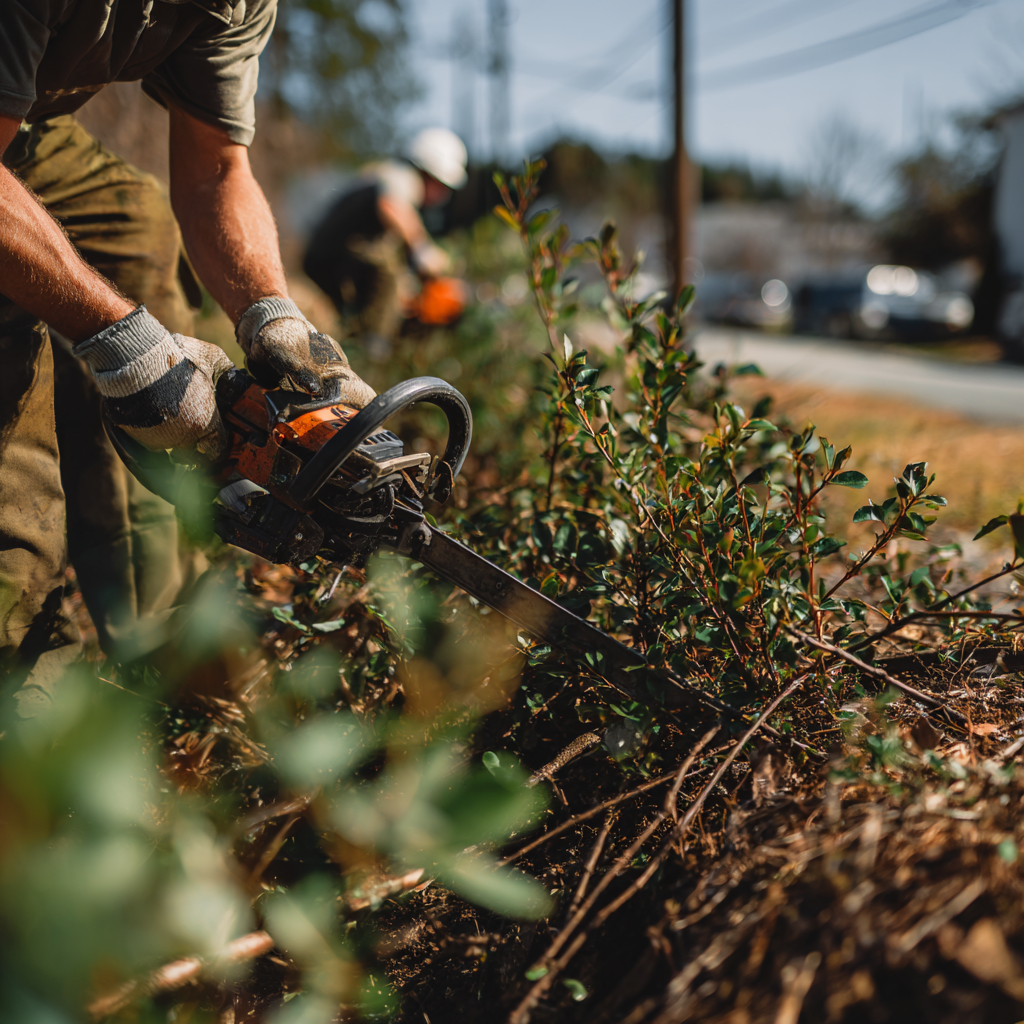
Updated: July, 2026
Key Takeaways
Related Resources
Frequently Asked Questions
Below are answers to some of the most common questions homeowners have about tree trimming.
Most mature trees benefit from trimming every three to five years, while younger trees often require pruning every two to three years. Fast-growing species or trees near homes may need more frequent attention. We can connect you with experienced local professionals who can evaluate your trees and recommend the right schedule.
Late winter and early spring are generally the best times for trimming many tree species because they’re dormant and can recover more efficiently. However, damaged or hazardous branches should be removed as soon as they’re discovered, regardless of the season.
Yes. Removing dead, diseased, or overcrowded branches allows more sunlight and airflow through the canopy, encouraging stronger growth and reducing the risk of pests and disease. Proper pruning also helps maintain the tree’s natural structure over time.
Common signs include dead branches, limbs rubbing together, branches hanging over your roof or driveway, dense canopies blocking sunlight, or limbs damaged after a storm. If you’re uncertain, an experienced local professional can inspect your trees and recommend the appropriate care.
Small pruning jobs near ground level may be manageable for homeowners, but trimming large branches or working near power lines or rooftops can be dangerous. For larger projects, it’s usually safest to work with experienced professionals who have the proper equipment and training.
Proper trimming doesn’t necessarily make trees grow faster, but it does promote healthier growth. Removing damaged or overcrowded branches allows the tree to direct its energy toward strong, healthy limbs while maintaining a balanced shape.
Keep Your Trees Healthy and Your Property Safe
Regular tree trimming is one of the simplest ways to protect your home, improve curb appeal, and encourage long-term tree health. If you’re unsure whether your trees are due for trimming, request a free estimate today. We’ll connect you with trusted local tree care professionals who can evaluate your property and recommend the right solution for your needs.
Call now or get your FREE estimate today!
✓ Free Estimates ✓ Fast Response ✓ Serving Maryville & Surrounding Areas